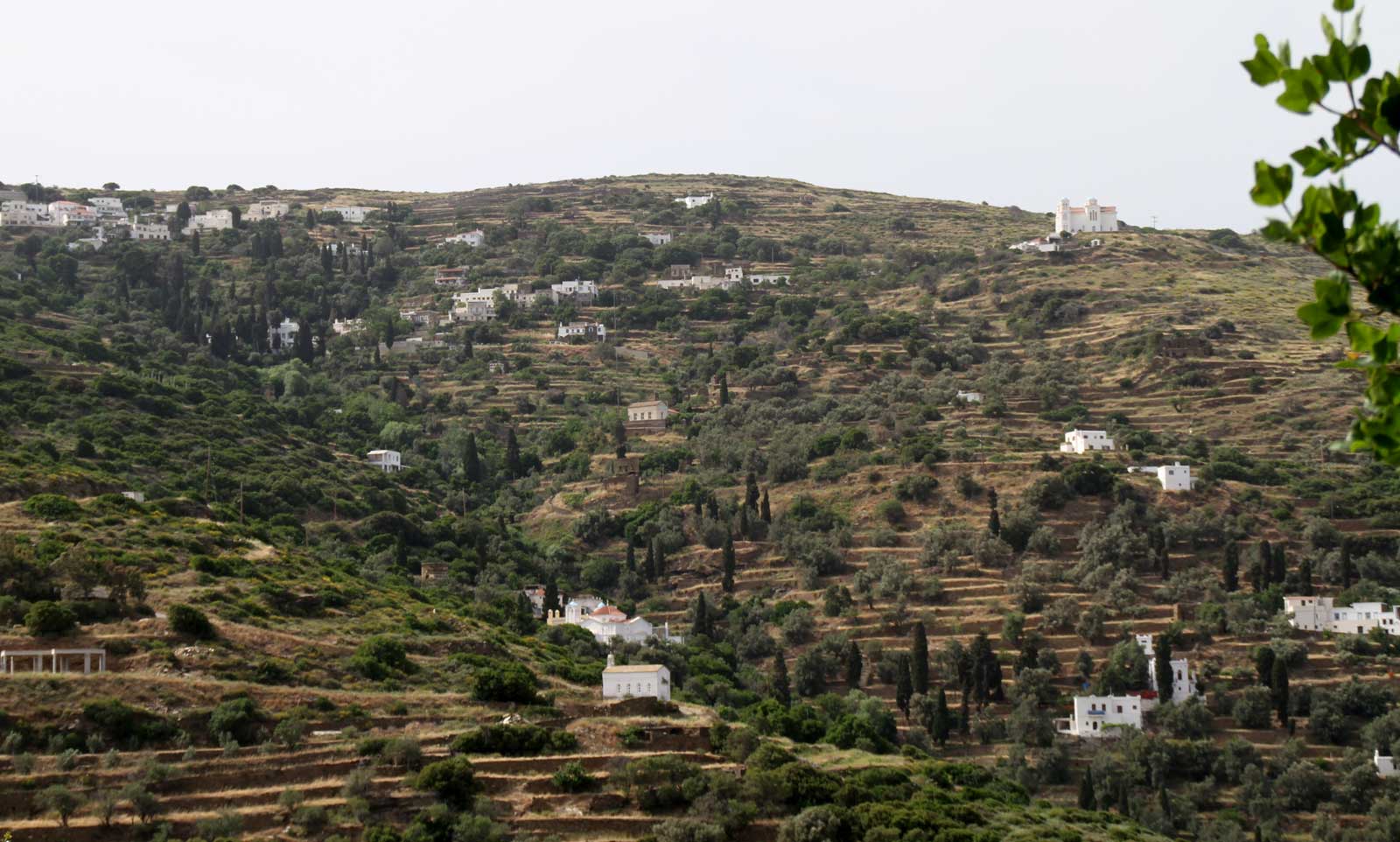
Paleokastro region
Paleokastro consists of several villages-settlements, each with its own style and architecture.
Paleokastro consists of several villages-settlements, each with its own style and architecture.
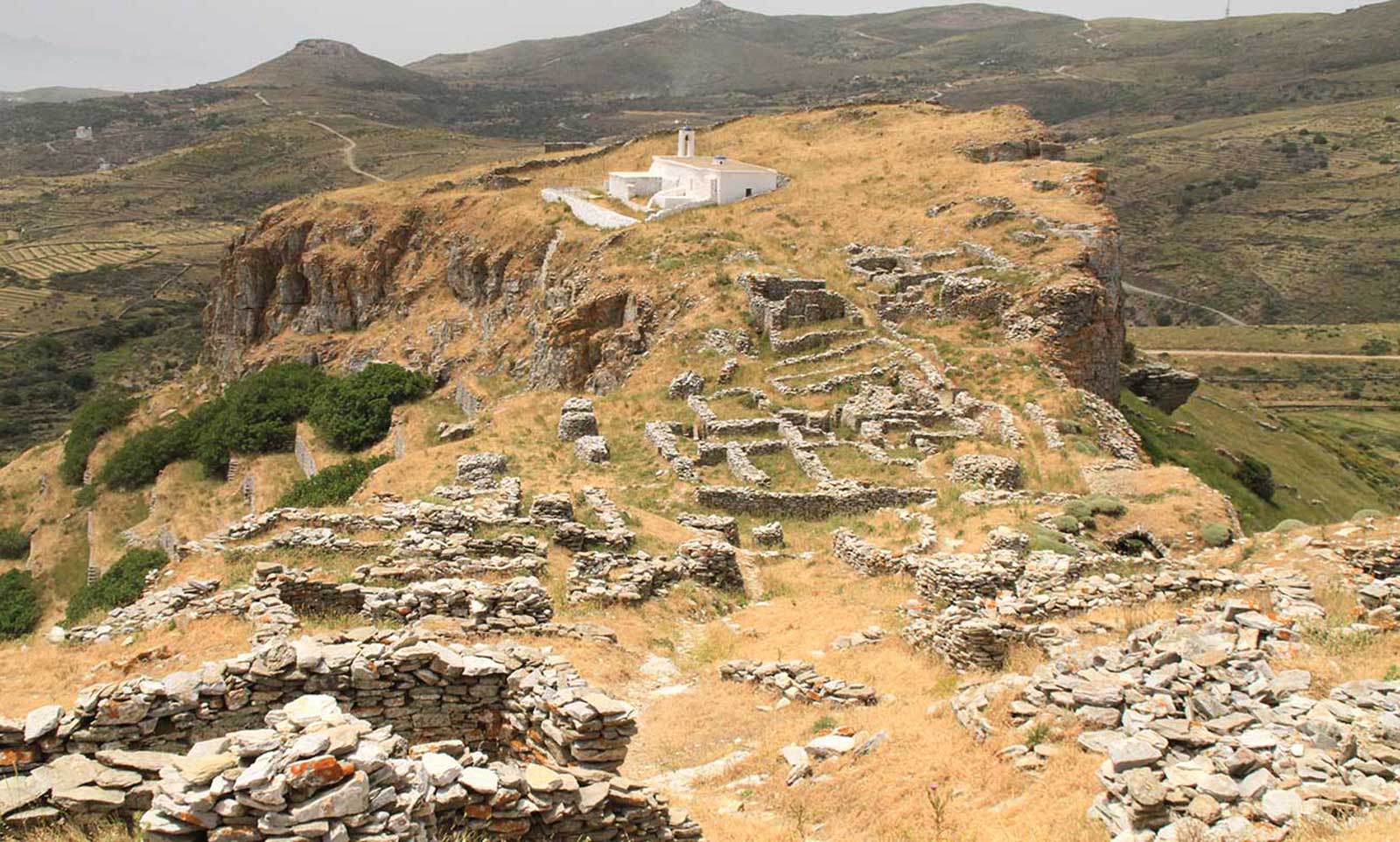
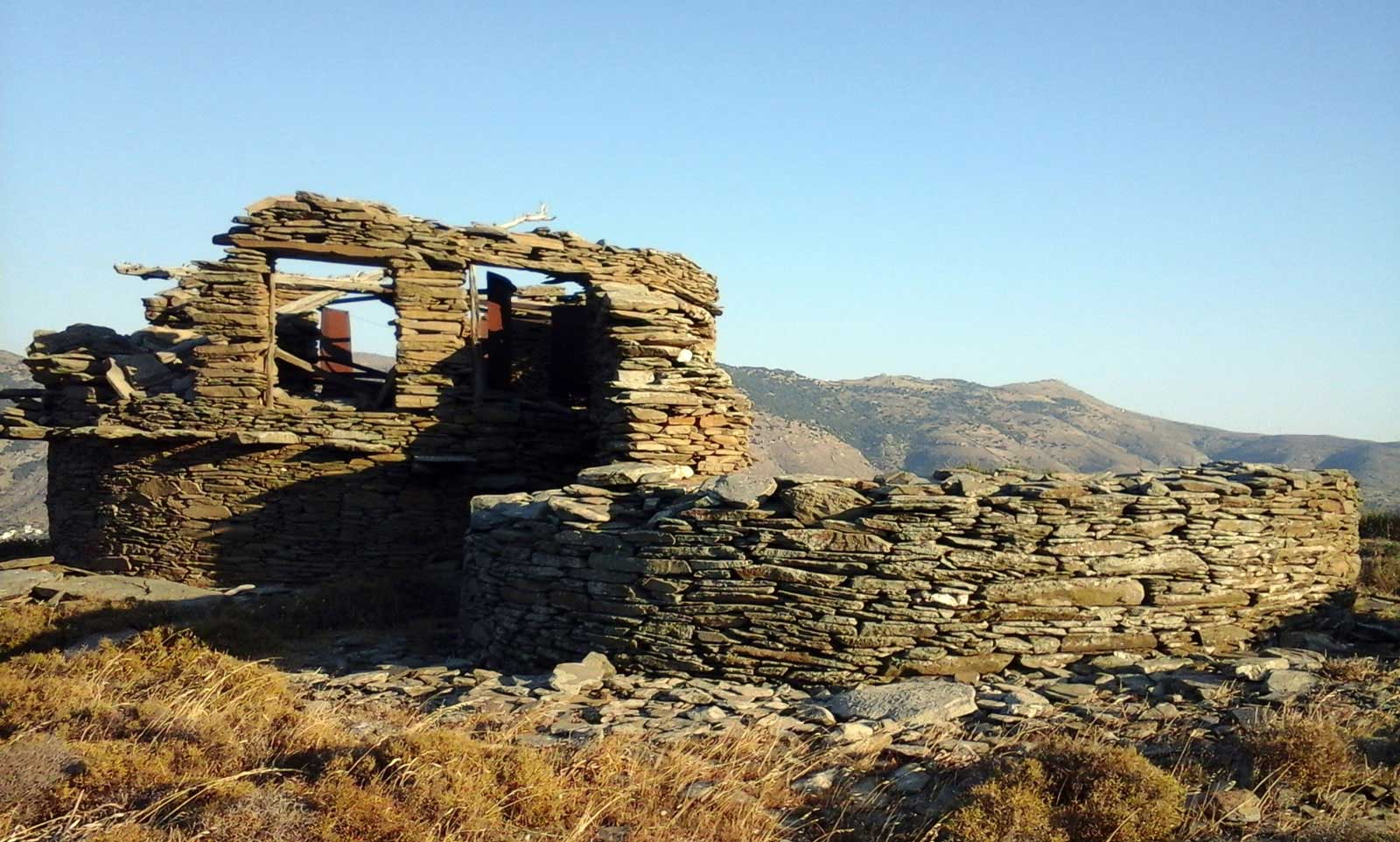
The “Epano Kastro” (Upper Castle) or “Castle of the Faneromeni” was built by the Venetians in the beginning of the 13th c. A. D., when they conquered Andros after the 4th Crusade and the fall of Constantinople (1204), the capital of the Byzantine Empire.
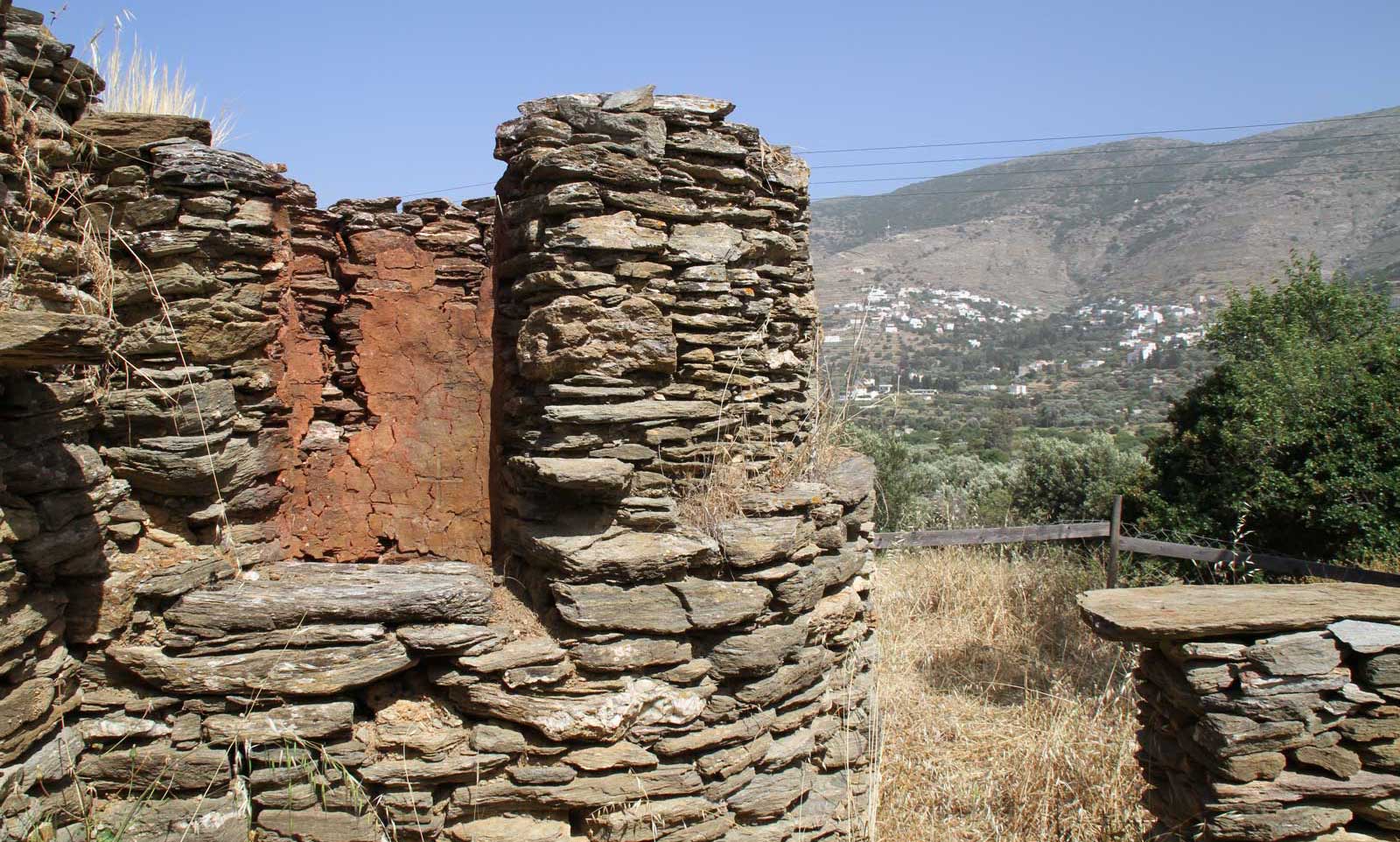
The Pottery workshop of Agia Marina producing “stamnes” (clay pots) is the one where Uncle Pantelis Eleftheriou used to work.
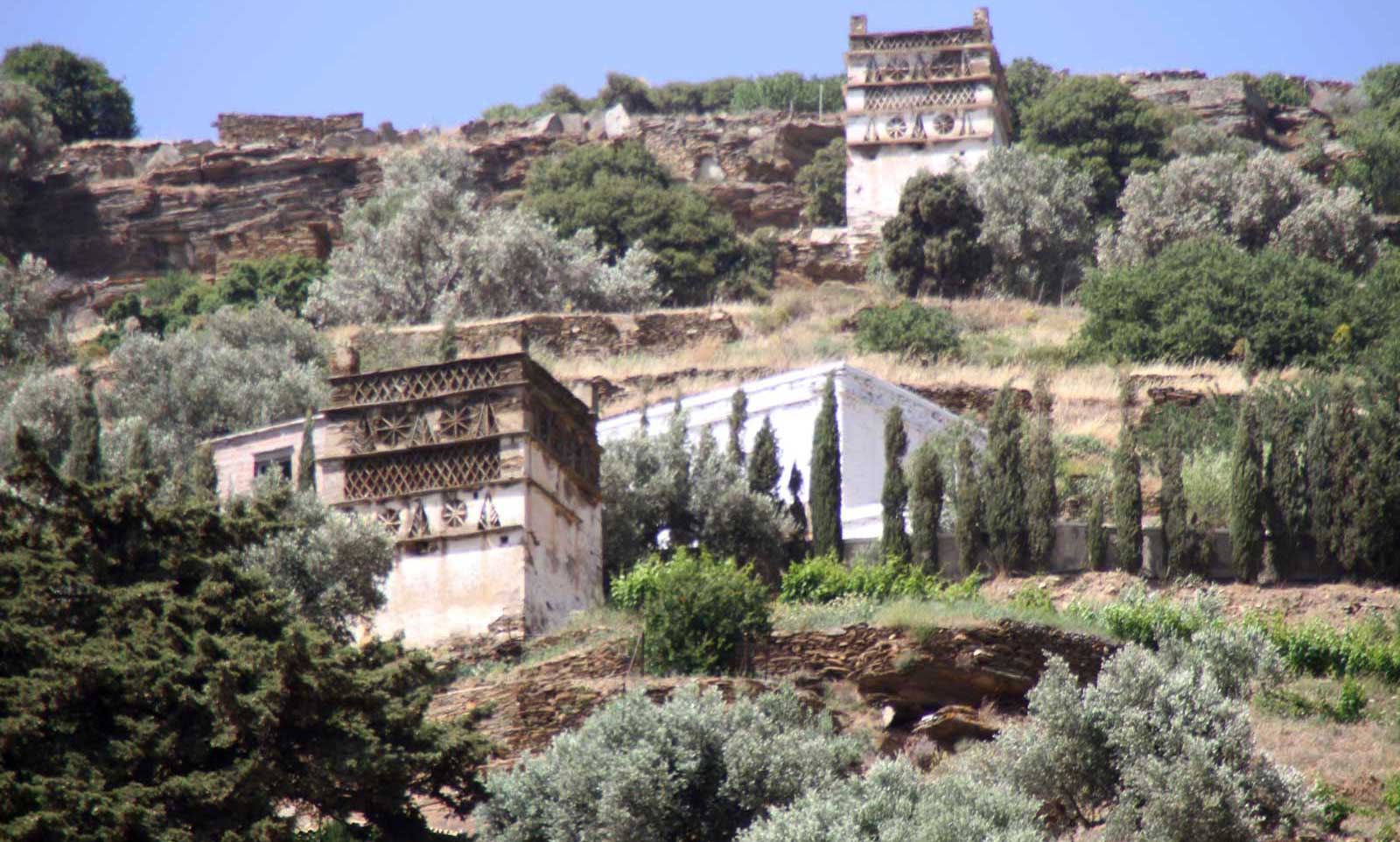
The Dovecotes are a remnant of the feudalism that prevailed during the Venetian period in Andros (1207-1566). The landlord was the one who ate the meat of the pigeons and the crofter (servant) had only the right to use the manure as a soil fertilizer.
Wind power was used in Andros and the rest of the Cycladic islands with an extensive network of windmills to grind grain.
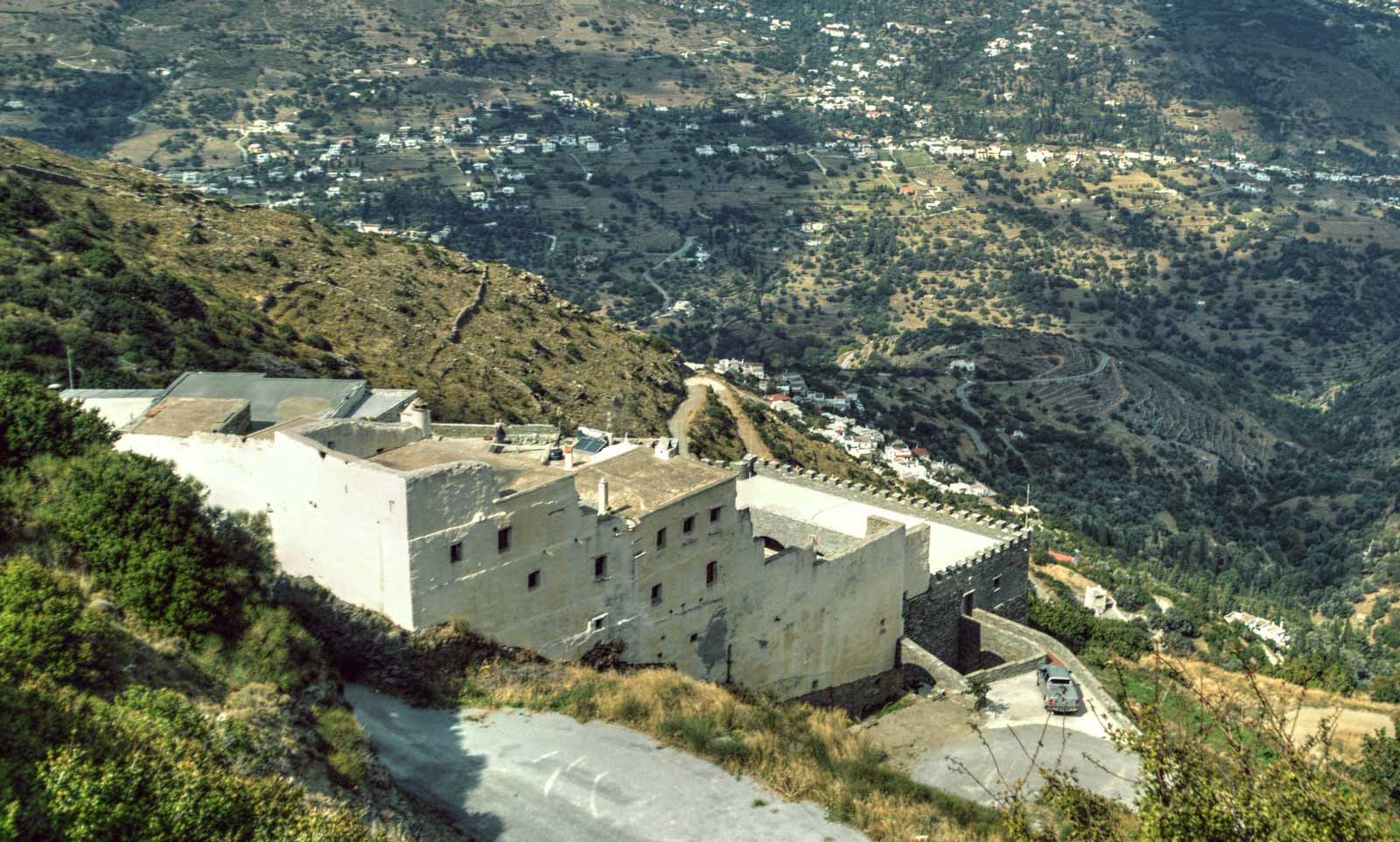
This beautiful Byzantine monastery of Andros is dedicated to the Assumption of Mother Mary and it is located on "Katafygio" mountain.

.gif "English (UK)")